
Post-Surgery Recovery Physical Therapy Services in Rhode Island: Expert Orthopedic Rehabilitation and Patient-Centered Care
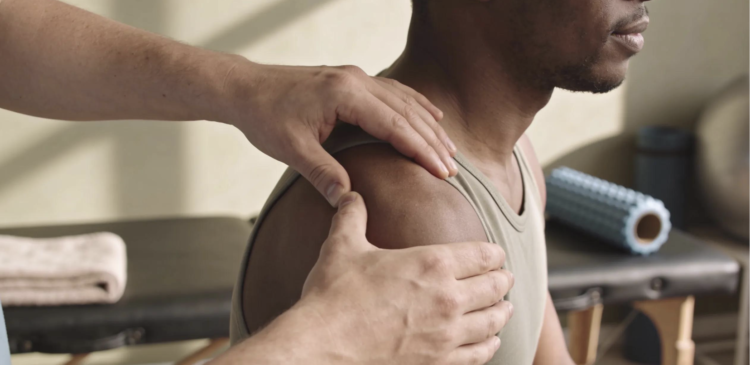
Recovering from surgery can be a challenging and often painful process, making effective physical therapy essential. Post-surgery recovery physical therapy services focus on rehabilitation techniques tailored to individual patient needs, promoting healing and restoring mobility. In Rhode Island, specialized centers like Specialized Orthopedic Physical Therapy provide expert care that combines advanced therapeutic methods with a patient-centered approach. Patients often face difficulties such as limited movement, pain management, and regaining functionality, emphasizing the need for structured rehabilitation plans. This article covers various aspects, including expert rehabilitation techniques, the types of surgeries that benefit most from guided rehab, the phases of recovery, the benefits of post-surgical physical therapy, and how these services support recovery in Rhode Island.
Physical therapy has proven its importance in promoting post-surgical recovery, particularly in Rhode Island.
Importance of Physical Therapy in Rhode Island Post-Surgery Across Rhode Island and southeastern Massachusetts, physical therapy practices make a point of reaching out to referring physicians to discuss the critical role rehabilitation plays after surgery, helping patients regain strength, mobility, and confidence during recovery.
Expert Orthopedic Rehabilitation Techniques
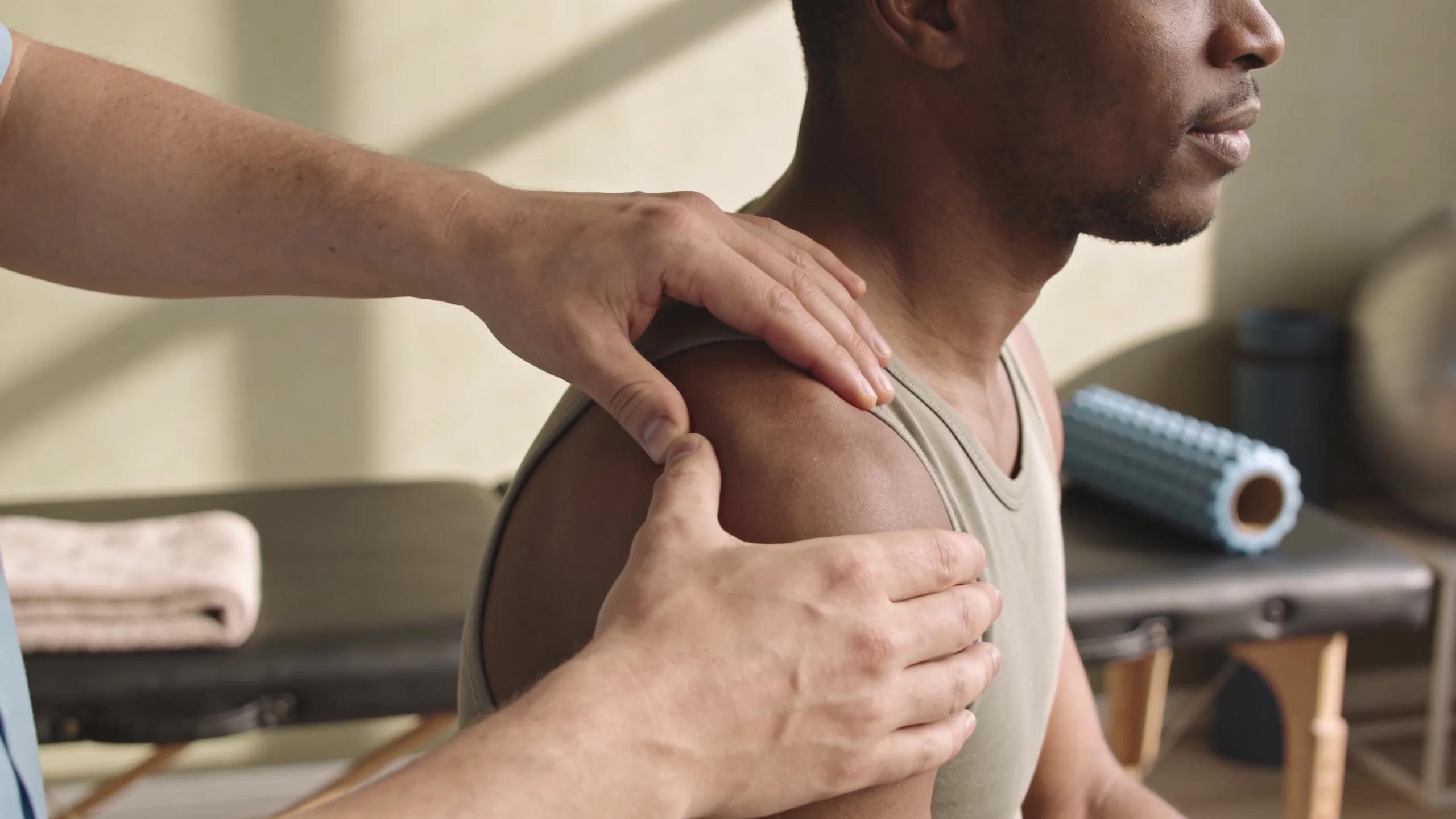
Effective orthopedic rehabilitation after surgery relies on a combination of proven techniques rather than a one-size-fits-all protocol. Licensed physical therapists typically draw on manual therapy to reduce stiffness and improve joint mobility, progressive therapeutic exercise to rebuild strength and stability, neuromuscular re-education to restore normal movement patterns, and targeted modalities to manage swelling and pain in the early stages of healing. Each technique is selected based on the specific surgical procedure, the tissue’s healing timeline, and the patient’s individual goals.
A fundamental aspect of successful rehabilitation lies in adopting a patient-centered approach, ensuring that treatment plans are tailored to individual needs and continuously evaluated for effectiveness. Therapists regularly reassess range of motion, strength, and functional milestones, adjusting the plan of care as the patient progresses rather than following a rigid, generic timeline.
Patient-Centered Care in Orthopedic Rehabilitation There is an increased emphasis on the need to capture and incorporate self-reported function to make clinical decisions when providing patient-centered care. Response shift (RS), or a change in an individual’s self-evaluation of a construct, may affect the accurate assessment of change in self-reported function throughout the course of rehabilitation. Examination of response shift after rehabilitation for orthopedic conditions: a systematic review, 2018
Common Surgeries That Benefit from Post-Surgical Physical Therapy
Many types of orthopedic and sports-related surgeries call for structured rehabilitation to achieve a full recovery. Common examples include:
- Joint replacement surgery (hip, knee, and shoulder replacements), where therapy restores range of motion and rebuilds the strength needed for daily activities.
- Ligament and tendon repairs, such as ACL reconstruction or rotator cuff repair, which require carefully staged loading to protect healing tissue while restoring function.
- Spine surgery, including discectomies and spinal fusions, where therapy focuses on safe movement mechanics, core stability, and gradual return to activity.
- Fracture fixation procedures, where rehabilitation helps patients regain motion and strength once a bone has healed enough to tolerate loading.
- Pelvic and abdominal procedures, where specialized pelvic health physical therapy supports core function and a safe return to normal activity.
Because each surgery carries its own healing timeline and precautions, working with a therapist who communicates directly with the surgical team helps ensure the rehabilitation plan aligns with the surgeon’s protocol.
The Phases of Post-Surgery Rehabilitation
Post-surgical recovery generally progresses through distinct phases, each with its own goals:
- Protection and early healing. In the days and weeks immediately following surgery, therapy focuses on controlling pain and swelling, protecting the surgical site, and introducing gentle motion within the surgeon’s guidelines.
- Restoring mobility. As healing progresses, treatment shifts toward regaining full range of motion and normalizing movement patterns that may have been altered by pain or protective guarding.
- Building strength and stability. Once mobility improves, therapists introduce progressive strengthening exercises to rebuild the muscles supporting the surgical area and the surrounding joints.
- Returning to function. In the final phase, rehabilitation focuses on the specific demands of the patient’s daily life, work, or sport, preparing them for a confident, sustainable return to activity.
Progressing through these phases at the right pace — not too fast and not too slow — is one of the most important factors in avoiding setbacks and achieving a lasting recovery.
Benefits of Post-Surgery Physical Therapy
Structured rehabilitation after surgery offers benefits that extend well beyond simply regaining motion. Patients who engage in guided post-surgical physical therapy typically experience:
- Faster, more predictable recovery through a plan that matches each stage of healing.
- Reduced pain as therapists address swelling, stiffness, and compensatory movement patterns early.
- Lower risk of complications, such as scar tissue restrictions, muscle atrophy, or re-injury from returning to activity too soon.
- Restored strength and function, allowing patients to return to work, sport, and daily routines with confidence.
- Ongoing education, so patients understand their healing process and how to protect their results long after formal therapy ends.
What to Expect at Specialized Orthopedic Physical Therapy in Rhode Island
At Specialized Orthopedic Physical Therapy, post-surgical care begins with a thorough evaluation of the patient’s surgical history, current limitations, and personal goals. From there, the care team builds an individualized treatment plan that draws on orthopedic physical therapy, sports injury rehabilitation, and pelvic health expertise as needed, adjusting the approach as the patient progresses through each phase of recovery.
Patients are encouraged to stay engaged throughout the process, ask questions, and communicate openly about pain levels and progress so the plan can be refined in real time. This collaborative, patient-centered approach is designed to help Rhode Island patients recover as efficiently and safely as possible after surgery.
